
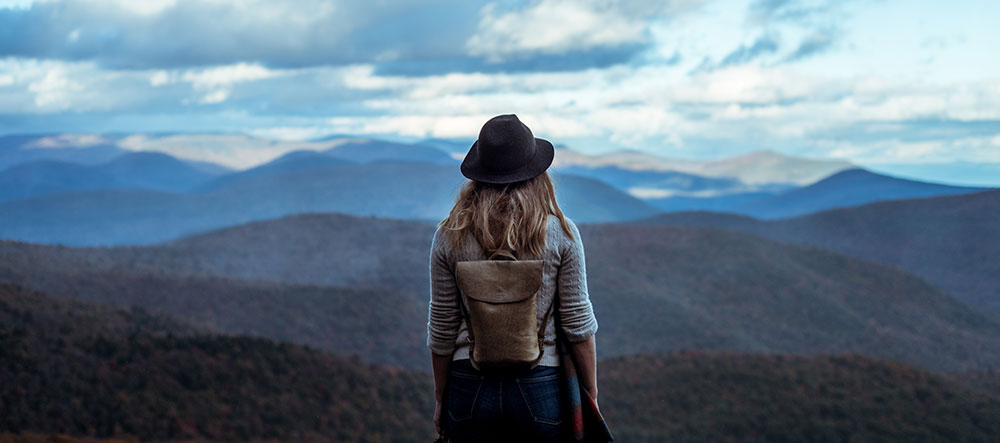
Damascus, Virginia is often called “Trail Town USA,” and for good reason. The Appalachian Trail runs straight through the heart of town, making it an ideal base for section hikes, day hikes, and rest days alike. Our second Appalachian Trail adventure took us to this iconic area, where stunning highland scenery, thoughtful planning, and changing weather shaped a memorable experience.
We hiked during Thanksgiving week. I chose Damascus for our destination because statistically, it was least likely to have snow. I planned our route and contacted a shuttle service listed in the A.T. Guide. Again, we planned on day-hiking. We agreed to meet our driver at our end point for the day. He drove us to our starting point. We hiked to our car and drove back to our AirBnb. We chose a cabin in Damascus on a farm. We had views of the mountains, wildlife and some domestic cows.
Several days before our planned hike, our guide called to inform us that parts of the trail north of Damascus would be closed for repairs. Two years prior, Hurricane Helene had caused significant damage to the trail. We revised our route to avoid this section.
Day 1: Beech Mountain to Elk Garden (6.8 miles)
We kicked off the trip with a beautiful stretch from Beech Mountain to Elk Garden. This section offered open views, cooler temperatures in the 40s and 50s, and a steady but manageable climb. We prioritized a comfortable mileage that allowed us to focus on pacing, layering, and enjoying the landscape rather than pushing distance. There were beautiful views in all directions and sweeping views of Whitetop Mountain.
Day 2: Massie Gap to Elk Garden (7.2 miles)
Day two brought us to Massie Gap, a favorite access point in the Mount Rogers National Recreation Area. This section felt expansive and peaceful, with wide trails and alpine-like terrain. The hike to Elk Garden was slightly longer than day one but still well within our comfort zone. The open balds and high elevation reminded us why this area is one of the most scenic parts of the southern Appalachian Trail. A special treat was an encounter with wild ponies. They were grazing on the side of the trail.
Rest Day: Bristol Caverns, Downtown Bristol & Downtown Damascus
Midweek, we built in a much-needed rest and exploration day, which is something we intentionally prioritize on hiking trips. We visited Bristol Caverns, an incredible underground experience that added a fun, educational break from the trail. We also explored downtown Bristol, known as the birthplace of country music, before returning to downtown Damascus to enjoy the charm of a town built by and for hikers.
Taking a rest day allowed us to recover, refuel, and appreciate the culture and history that make trail towns such an important part of the Appalachian Trail experience.
Day 3: Massie Gap to Fox Creek Gap (10.5 miles)
This was our longest day on the trail, hiking from Massie Gap to Fox Creek Gap. The temperature remained in the low 50s and there was a blustery wind. We could hear trees creaking and were aware of the possibility of falling tree limbs. Nonetheless, this stretch offered long, rolling miles and breathtaking views, making it one of the most rewarding days of the trip. With solid layering, adequate nutrition, and steady pacing, the mileage felt challenging but achievable.
Day 4: Straight Branch to Damascus (5.5 miles)
We wrapped up the trip with a shorter, reflective hike from Straight Branch back into Damascus. A cold front came in dropping the temperature into the low 30s. We originally planned a longer hike but decided our first cold weather hike should be shorter. Ending the hike by walking directly into town never gets old—it’s one of the unique joys of Damascus. This final day allowed us to cool down both physically and mentally, soaking in the satisfaction of another successful section hike.
Why We Adjusted Our Route
Two major factors shaped this trip:
- Cold Weather: A significant cold front moved in, making shorter daily mileage the smart choice for safety and comfort.
- Trail Construction: Sections of the Appalachian Trail north of Damascus were impacted by Hurricane Helene, requiring construction and temporary closures. Staying informed and flexible allowed us to plan around these areas without compromising the experience.
Safety Considerations
- Damaged Trees: Storm-damaged trees from recent weather posed a risk of falling. When we hear the trees creaking, we sped up to get to a safer section.
- Hunters: Several of the other hikers were wearing bright orange for visibility. It hadn’t occurred to us that hunters might be on the trail (we didn’t see any).
- Layers: The temperature fluctuated throughout the day. We needed to be able to add or remove layers to stay comfortable.
Final Thoughts
This second Appalachian Trail hike reinforced one of our biggest lessons so far: successful hiking is about adaptation, not rigid plans. By respecting the weather, honoring rest days, and adjusting mileage when needed, we were able to enjoy every step of the journey.
Damascus continues to be one of our favorite hubs for Appalachian Trail adventures, offering easy access to stunning trail sections, rich history, and a welcoming hiking community. We’re already looking forward to the next miles ahead.